Can You Ship a Blooming Plant in Freezing Weather?
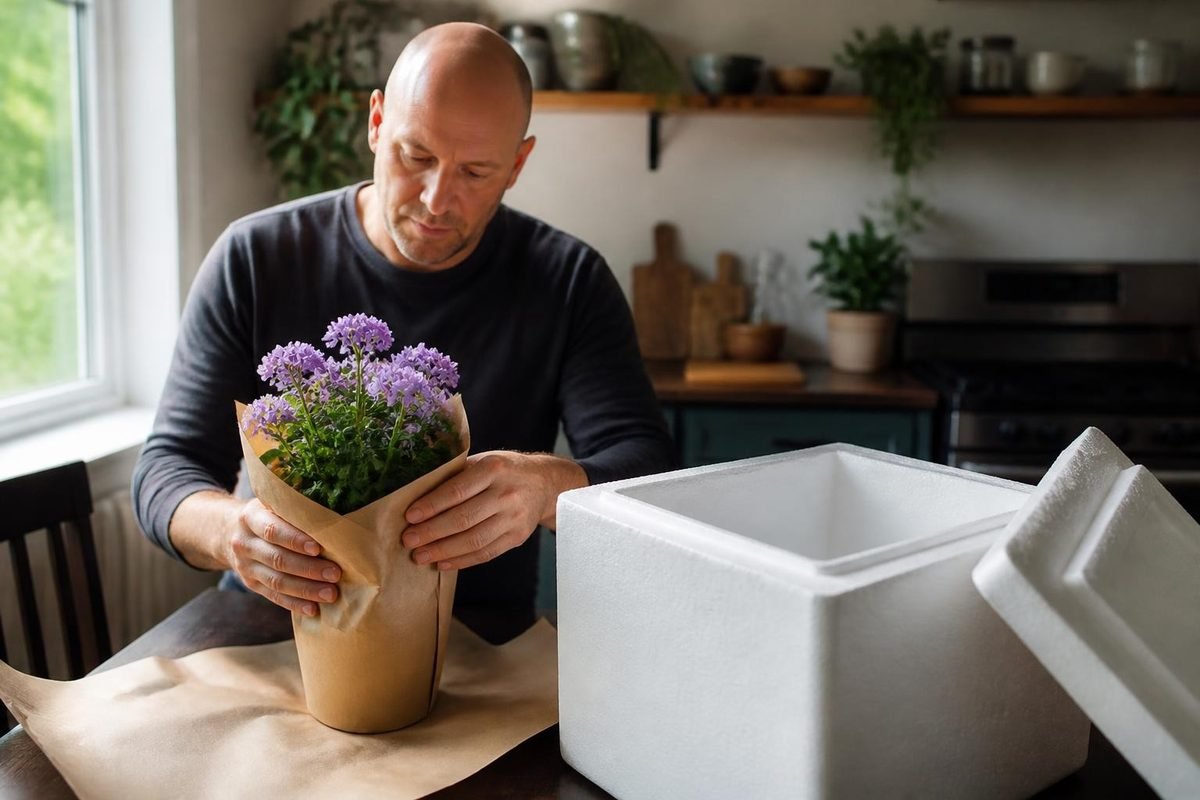
Yes, you can ship a blooming plant during freezing weather, but cold exposure can damage the flowers, leaves and roots. Insulation, suitable heat protection and a short, carefully timed journey can reduce the risk, though waiting for milder weather is often the safer choice.
Think about the whole journey
A warm room at the sending and receiving ends does not mean the plant will stay warm between them. It may spend time in a cold vehicle, a loading area or on a doorstep. Even a brief spell of freezing air can harm a tender plant.
Look at the forecast along the expected route as well as at both addresses. A severe cold spell or a likely delay is a good reason to postpone. There is something disappointing about waiting to send flowers, but a healthy plant arriving later is usually better than a damaged one arriving on time.
Choose the shortest practical delivery service and avoid sending just before a weekend or holiday, when a delay could leave the box sitting longer. Check that the recipient can bring it indoors as soon as it arrives.
Pack for warmth and stability
Water the plant before packing if the soil is dry, then let excess water drain. Wet soil can make the box soggy and allow the pot to shift. The soil should not be saturated, and the plant should never travel standing in water.
Secure the pot so it cannot roll, and add packing material around it to prevent movement. A paper sleeve can help protect leaves and blooms, but leave enough room that the flowers are not crushed. Fragile stems may need gentle support.
Use an insulated outer box to slow heat loss. A heat pack intended for shipping live plants may help during cold weather, but it needs space and should not touch the plant or pot directly. Follow its instructions and remember that a heat pack has a limited useful life. It cannot protect a delayed parcel indefinitely.
Help the plant settle after arrival
Ask the recipient to open the box promptly and place the plant in a suitable spot indoors. Remove the packing gently, especially around buds and soft petals. Check the soil before watering rather than assuming it needs a drink.
Cold damage may appear as darkened, limp or translucent leaves and flowers. If the plant feels cold, let it warm gradually in the room rather than putting it beside a heater. Give it time before deciding how much growth needs to be removed.
Questions about shipping in the cold
Can any blooming plant handle freezing weather?
No. Cold tolerance varies by plant, and many common flowering houseplants are easily damaged by frost.
Is insulation enough on its own?
Insulation slows heat loss but does not create heat. Its protection depends on the temperature and the length of the journey.
Should the box be left outside for delivery?
No. Arrange for someone to receive it or bring it inside promptly, especially in freezing weather.
What if a storm is forecast?
Wait until conditions improve if you can. A delayed shipment can outlast the protection provided by its packing.
On the same subject: sending flowers home to family